Quick answer
Use a claim-by-claim verification table to catch invented sources, stale details and unsupported certainty. Fluent writing can conceal wrong facts. A useful verification process breaks an answer into testable claims, retrieves primary evidence, and records what remains uncertain. This tutorial uses an invented example rather than claiming a completed audit.
Fluent writing can conceal wrong facts. A useful verification process breaks an answer into testable claims, retrieves primary evidence, and records what remains uncertain. This tutorial uses an invented example rather than claiming a completed audit.
Before you begin
Have a draft AI answer and access to official documentation or other relevant original sources. Avoid uploading private customer records when using public AI tools.
Method guide · not a product benchmark01Split the answer into claims
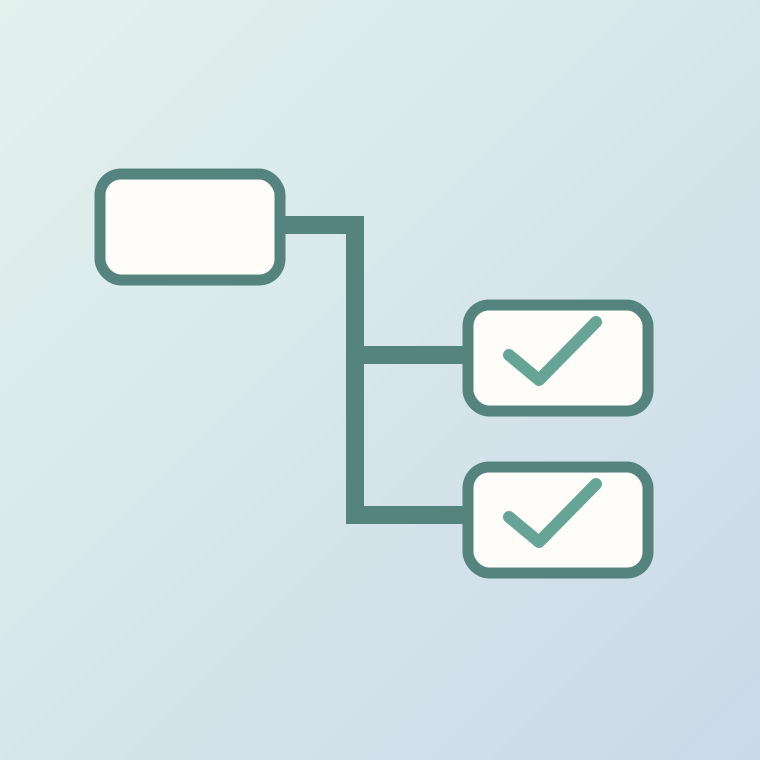
Underline each statement that could be proved or disproved, including feature availability, policy rules, prices and version numbers. Put one claim in each row of a simple spreadsheet. Vague opinions can remain labeled as opinions.
02Prioritize high-risk statements
Check the most consequential statements first: security, health, financial impact, legal requirements and anything that could cause a user to lose data. A harmless stylistic disagreement is less urgent than a wrong deletion instruction.
03Open the original source
Read the official documentation or the relevant primary publication rather than relying only on an AI citation. Confirm the quoted passage really supports the exact claim and check whether the page is current for the stated product version.
04Record the verification result
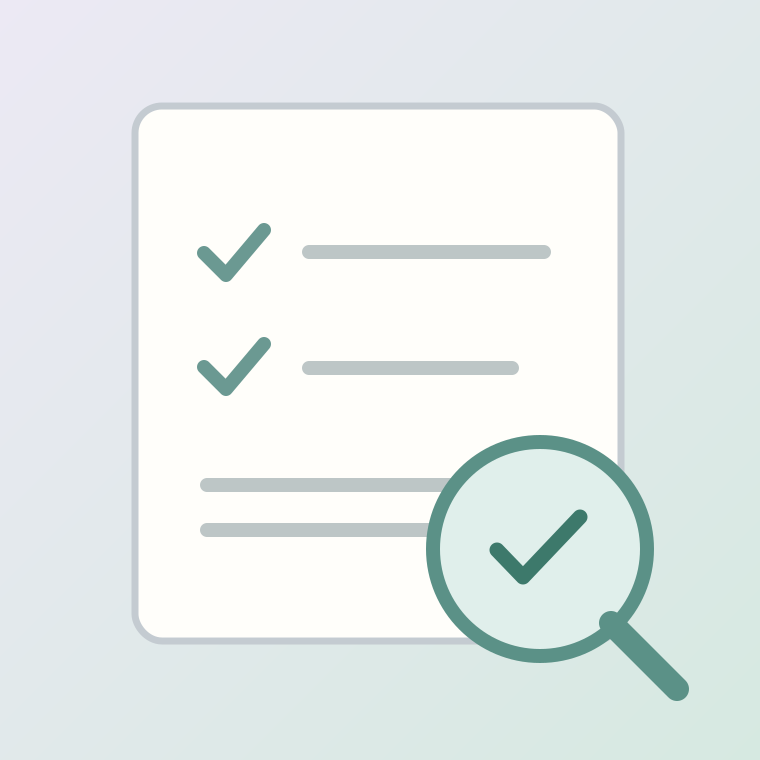
Mark each claim supported, contradicted or unresolved. Save the source URL and access date, plus the exact wording that matters. If evidence is missing, rewrite the claim as uncertain or remove it instead of manufacturing a citation.
05Publish with limits and a review date
Include practical limitations and the date last checked for time-sensitive content. Ask a qualified reviewer for regulated or high-stakes subjects. Repeat the process after product changes; a verification from last year may no longer apply.
Try this prompt
Break this AI answer into atomic claims. Produce a verification table with claim, required primary source, confidence to be checked, and unresolved issues. Do not claim to browse: [answer].
Worked example
Fictional teaching example — not a product test or a real customer record.
Starting information
Fictional learning example; no live customer data or measured product outputs.
Expected result
Expected: complete the steps, keep evidence, and verify the real interface before acting.
Before you use the result
- Confirm the exact software version and access rights.
- Keep secrets and private records out of demonstrations.
- Do not treat this hypothetical result as a real test.
Worksheet
Editable text file. Fill it with your own evidence; blank fields are not results.
Download the worksheet (.txt)